
Market Overview: $30 Billion in OpenAI and Oil at Record Highs — What's Happening in the Markets?
Morning markets: Nvidia invests in OpenAI, oil at record highs, gold holds steady amid geopolitical tensions. Key events by the morning of February 20: Nvidia's major investment in OpenAI, rising oil prices due to tensions surrounding Iran.
Morning Markets: Nvidia Invests in OpenAI, Oil at Record Highs, Gold Holds Steady Amid Geopolitical Tensions
Key events by the morning of February 20: Nvidia's major investment in OpenAI, rising oil prices due to tensions surrounding Iran, a shift in U.S. trade flows towards Taiwan, and high volatility in the gold market.
Nvidia Invests Up to $30 Billion in OpenAI
Nvidia (NVDA.US) is close to finalizing an investment of up to $30 billion in OpenAI. The deal will be part of a massive funding round totaling over $100 billion, valuing the company at $730 billion.
The new format will replace the previous framework agreement for $100 billion, which was never legally formalized. Now, it involves a direct equity investment, with part of the raised funds going towards purchasing Nvidia chips and expanding computing capacities.
The round is also expected to include participation from SoftBank ($30 billion), Amazon (up to $50 billion), MGX, and Microsoft. OpenAI plans to invest up to $600 billion in infrastructure by 2030, aiming to solidify its leadership in the AI sector. The company's current annual revenue already exceeds $20 billion.
Oil at Six-Month Highs
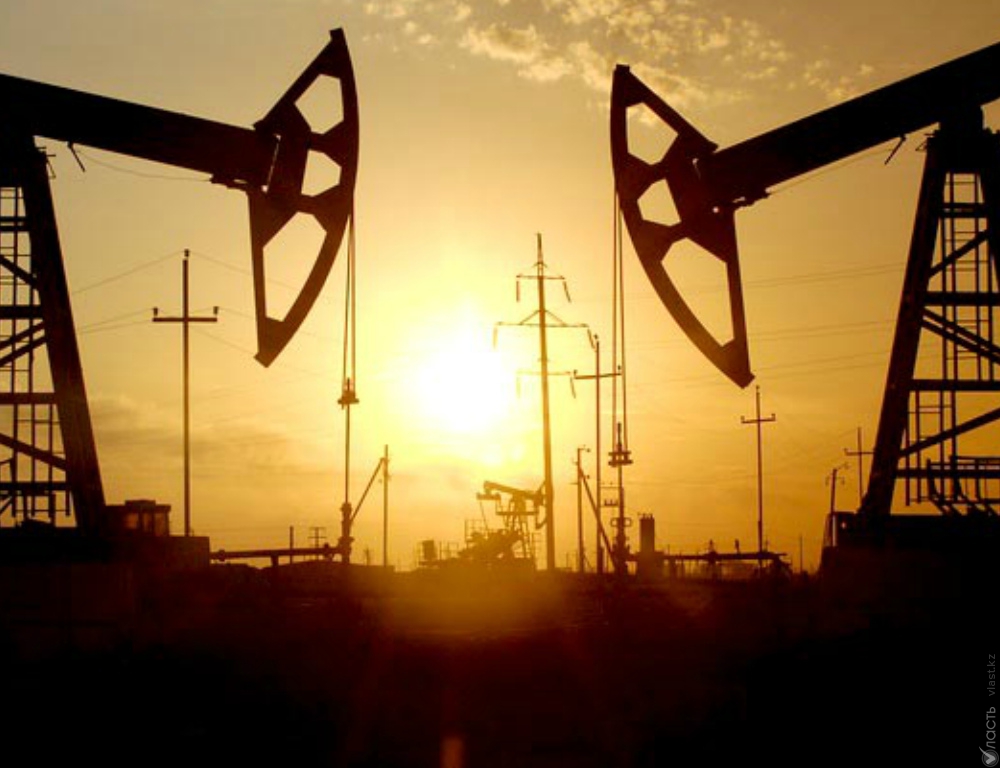
Oil has stabilized near six-month highs. Brent is trading around $72 per barrel, while WTI is around $67 after a rise of more than 6% over two days.
The catalyst was a statement from Donald Trump, who gave Iran 10-15 days to reach a nuclear deal. At the same time, the U.S. has increased its military presence in the Middle East — the largest since 2003.
Markets are concerned about supply disruptions, especially if the Strait of Hormuz is threatened. Iran produces over 3 million barrels per day (about 3% of global production), and escalation could push prices even higher.
The U.S. Imports More from Taiwan than China for the First Time

U.S. imports from China fell nearly 44% year-on-year in December to $21.1 billion. This reflects the impact of tariff policies and the restructuring of global supply chains.
At the same time, imports from Taiwan more than doubled, reaching $24.7 billion. The key driver is the boom in artificial intelligence and the growing demand for semiconductors.
Gold Holds Steady at $5000

Gold has stabilized around $5000 per ounce after rising more than 2% over two days. Investors are assessing geopolitical risks and potential impacts on the global economy.
Recently, the market experienced a sharp drop from $5595 to $4400 in just two days, increasing volatility. Major banks expect a recovery in growth in the second half of the year amid demand from central banks and declining attractiveness of bonds.
Additional support for prices may come from a reduction in production: Newmont (NEM.US) forecasts a decrease in output of about 10% this year.
What's Happening in Asian Markets
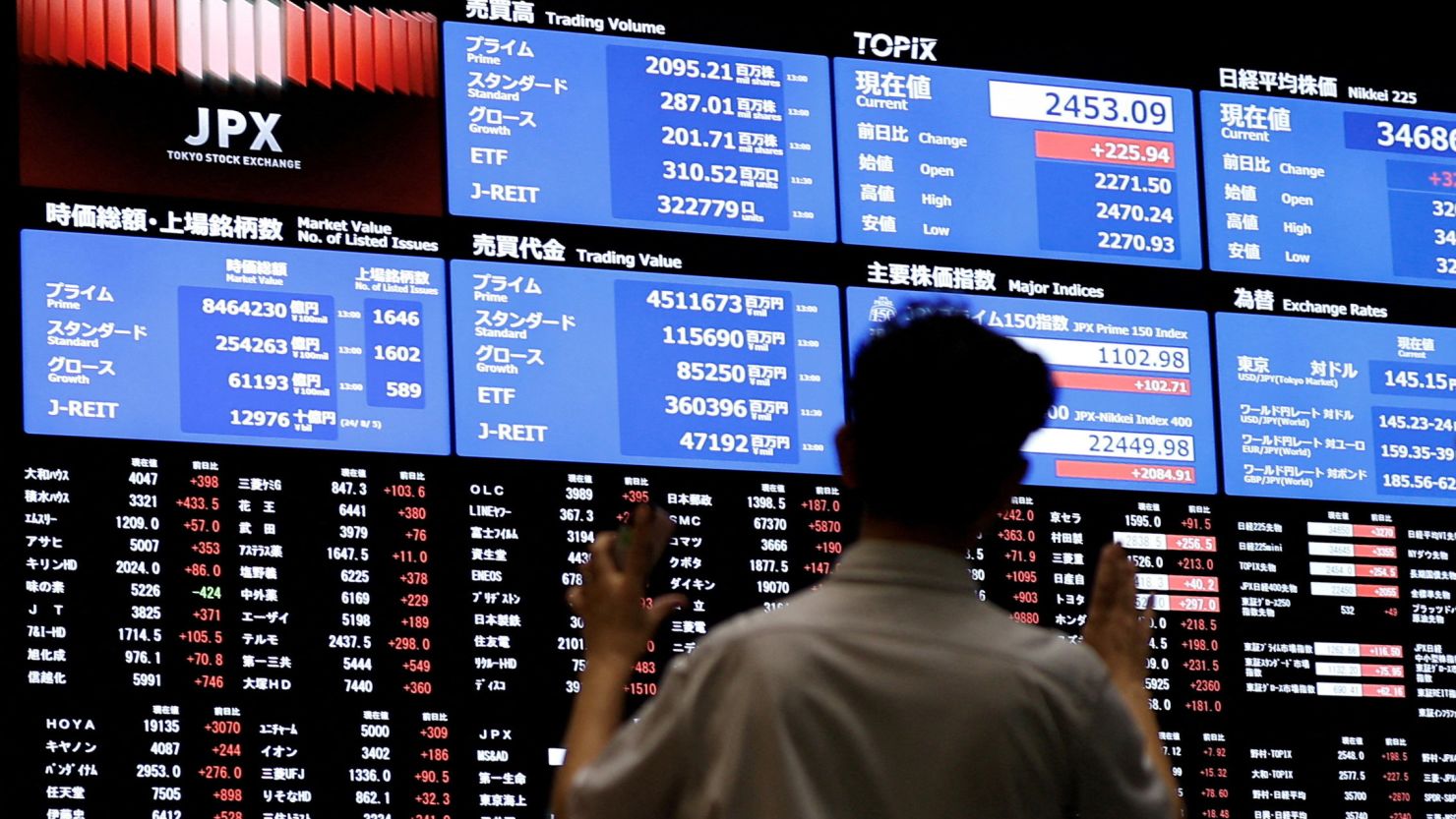
- Topix −1.08%
- Nikkei 225 −1.1%
- Hang Seng −0.61%
- Kospi +2.29%
- Kosdaq −0.6%
- S&P/ASX 200 — no significant changes
Conclusion: markets remain sensitive to geopolitical issues and the topic of artificial intelligence. Capital continues to concentrate in AI infrastructure, while commodity assets react to rising tensions in the Middle East.