
Markets for the Week: New Tariffs, Bitcoin Decline, and Rising Uncertainty
Markets as of the morning of February 23: Trump's tariffs, pressure on Bitcoin, and rising tensions. The main theme of the week is the new U.S. trade tariffs and their impact on global markets. The U.S. is imposing temporary tariffs of 15% as announced by Donald Trump.
Markets as of the morning of February 23: Trump's tariffs, pressure on Bitcoin, and rising tensions
The main theme of the week is the new U.S. trade tariffs and their impact on global markets.
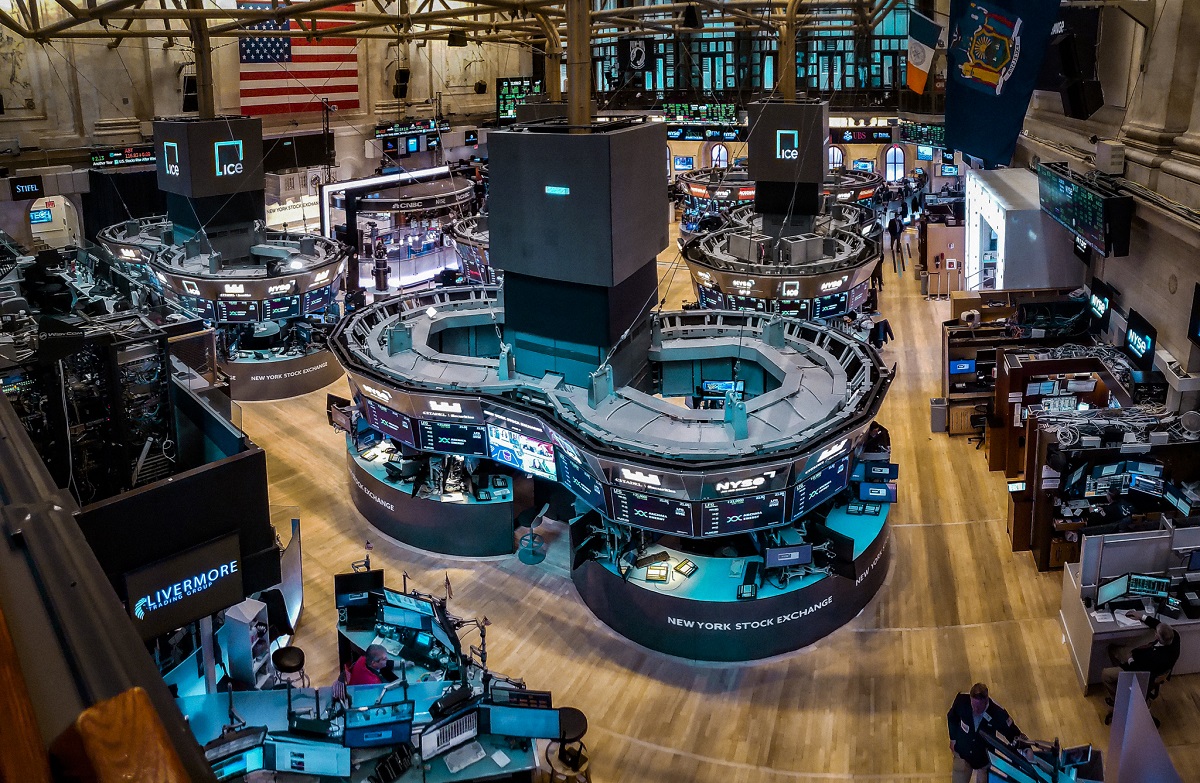
The U.S. imposes temporary tariffs of 15%
Donald Trump announced the introduction of temporary global tariffs of 15%, citing Section 122 of the Trade Act of 1974. The measure is effective for 150 days and is explained by "balance of payments issues."
The White House points to a large trade deficit and a negative international investment position of the U.S., which has reached $26 trillion. The Treasury describes the decision as a "transitional bridge" for five months — until the possible introduction of permanent tariffs.
However, economists doubt the existence of a full-blown crisis: the dollar remains strong, capital inflows cover the deficit, and markets are not showing panic. Experts warn of the risk of lawsuits and increased trading volatility.
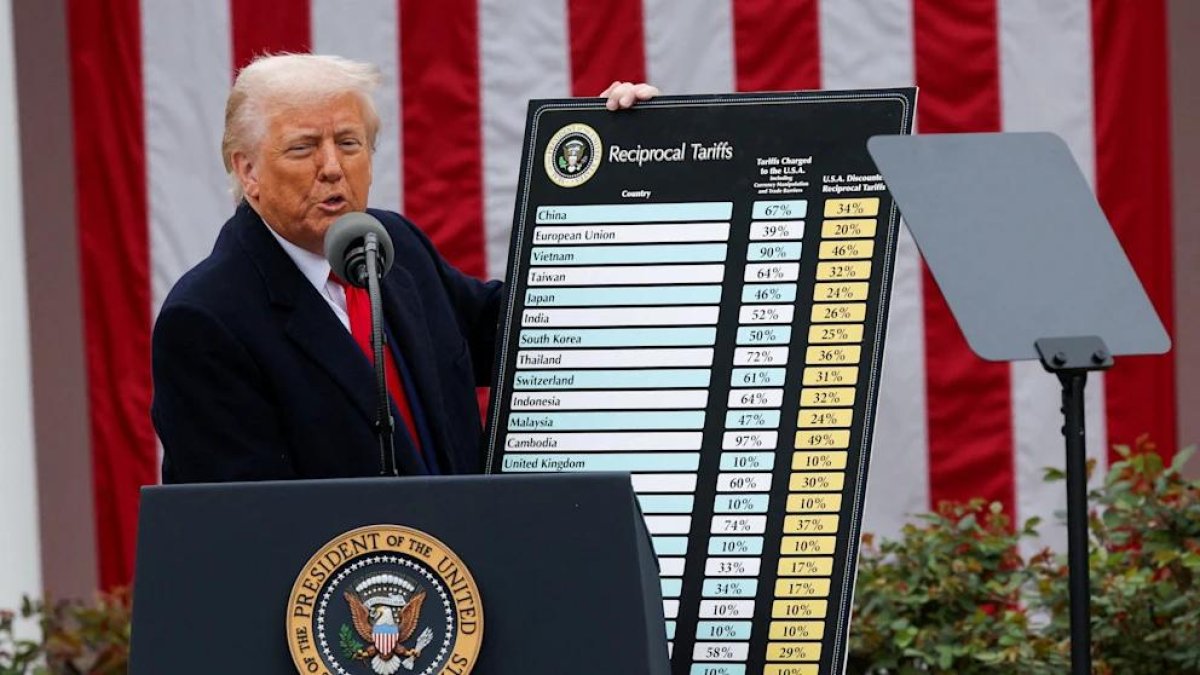
The EU demands adherence to the trade deal
The European Commission has urged the U.S. to adhere to the terms of last year's EU-U.S. agreement. Under the agreements, the rate on most goods was fixed at 15%, while for certain categories (including aviation) it was set at 0%.
Brussels emphasizes that any increases beyond the agreed ceiling undermine market confidence and disrupt the balance of transatlantic trade.

Bitcoin falls below $65,000
Amid new tariffs and geopolitical risks, Bitcoin has dropped more than 5%, falling below $65,000. Since the beginning of the year, the cryptocurrency has lost about 26%, and from its October peak above $125,000 — over 47%.
Investors are reducing risk positions due to trade uncertainty and tensions surrounding Iran. Against this backdrop, gold has gained over 1%, increasing the divergence between traditional safe-haven assets and the crypto market.
Analysts suggest Bitcoin could drop to $50,000 if the "bearish" phase continues.

Pressure on Netflix and the WBD deal
Trump publicly urged Netflix to consider the dismissal of board member Susan Rice amid a political dispute. The statement coincided with the U.S. Department of Justice's review of the acquisition deal for Warner Bros. Discovery for $72 billion.
The regulator is assessing potential antitrust risks. Netflix states that it operates in a highly competitive environment and expects regulatory approval.

What is happening in the markets
- The Tokyo Stock Exchange is closed due to holidays.
- The Hong Kong index Hang Seng rose 2.6%. The Shanghai and Shenzhen exchanges are closed due to holidays.
- South Korea: Kospi +0.47%, Kosdaq -0.15%.
- Australian S&P/ASX 200 -0.61%.
- U.S. futures are declining: S&P 500 -0.7%, Nasdaq -0.9%, Dow -0.6%.
Conclusion
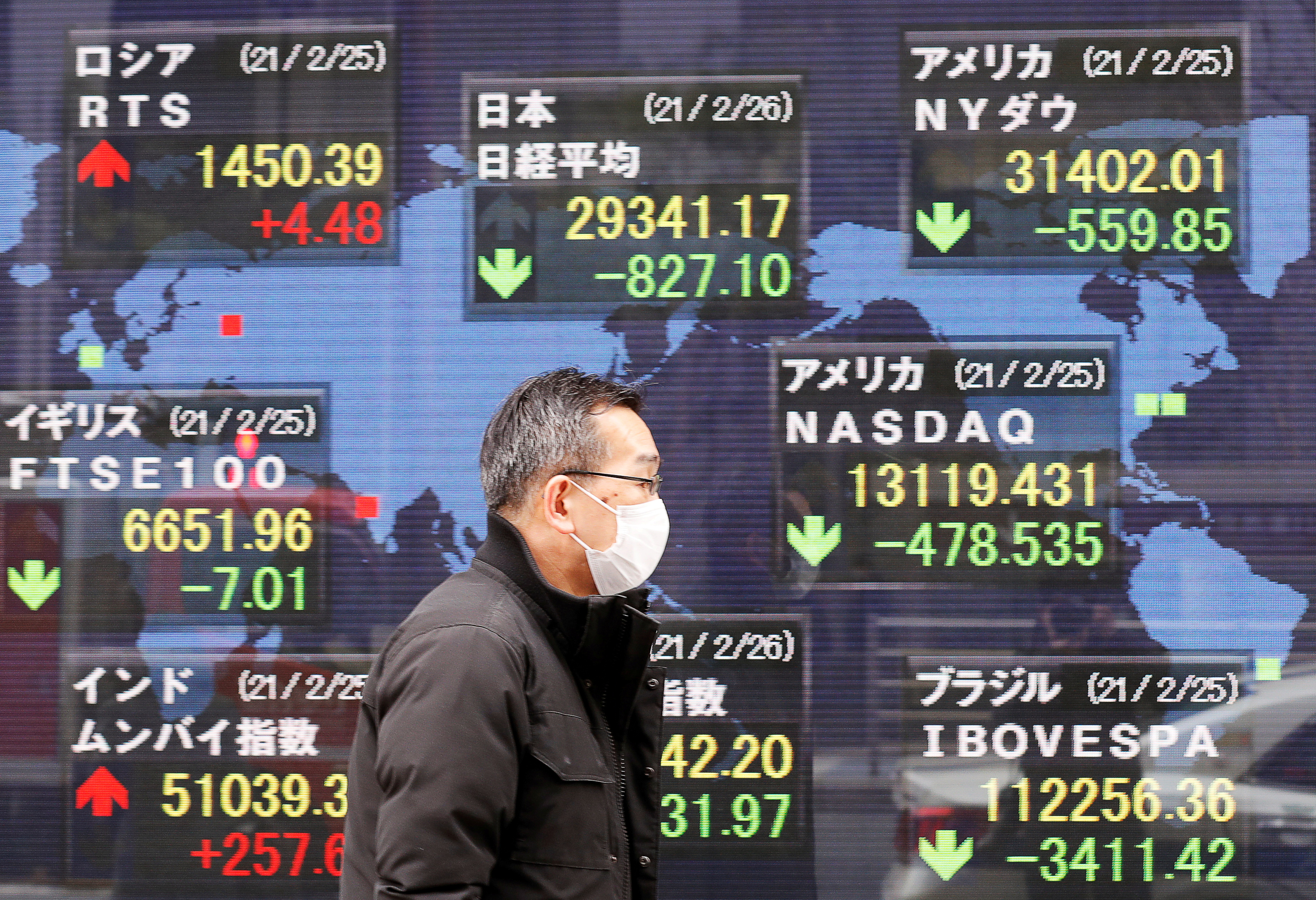
Markets are entering a phase of heightened trading and geopolitical uncertainty. The escalation of tariff rhetoric is putting pressure on risk assets (including crypto), while safe-haven instruments are attracting capital again.
If desired, images with specific charts (BTC, gold, U.S. futures) and links to sources can be added.