
Strong US Economy Dims Risk Appetite: Markets Brace for New Wave of Volatility
Global financial markets begin the week with a flight from risk and increased volatility. Key triggers include a sensationally strong US labor market (Non-Farm Payrolls), rising oil prices, and a new escalation in geopolitics.
Global financial markets begin the week with a flight from risk and increased volatility. Key triggers include a sensationally strong US labor market (Non-Farm Payrolls), rising oil prices, and a new escalation in geopolitics around the Strait of Hormuz. The resilience of the US economy forces investors to price in a tight Fed policy for a much longer period, putting significant pressure on global assets.

📈 US: Strong Economy Becomes a Problem for Markets
Instead of the forecasted 85,000, US jobs surged by 172,000 new jobs in May. Strong statistics dashed hopes for a quick rate cut. Against this backdrop, US indices shifted to profit-taking: Dow Jones hovers around 51,300 · S&P 500 balances above 7,500 · Nasdaq Composite dropped to 27,000 points. The tech sector is under particularly strong pressure.
The main trigger for short-term dynamics will now be the release of the fresh US Consumer Price Index (CPI), which will be published this week.
🌏 Asia Follows Wall Street Down
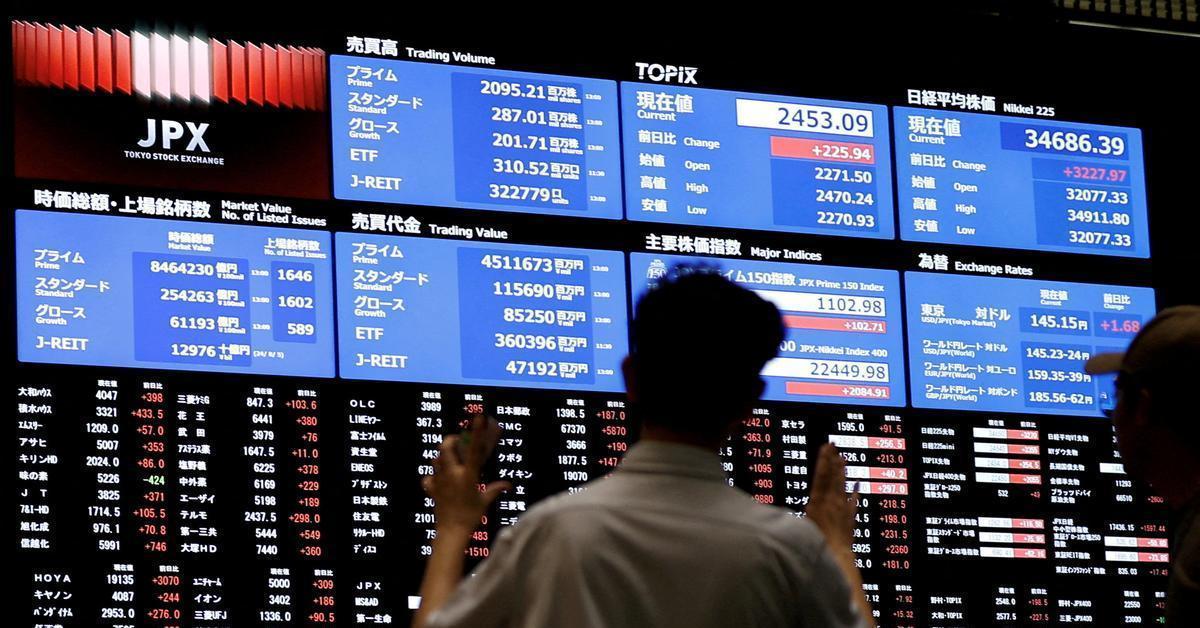
Asian markets opened the week with a deep decline led by the high-tech industry: the Japanese Nikkei 225 plummeted nearly -4% on fears of actions by the Bank of Japan, while the South Korean KOSPI crashed by -5% due to massive sell-offs by semiconductor manufacturers. The Chinese Hang Seng maintained a neutral range between 25,000–26,000 points.
An additional factor of uncertainty in the region is the upcoming visit of Chinese President Xi Jinping to North Korea.
🇪🇺 Europe: Weak Industry Heightens Concerns
The European economy is once again showing signs of stagnation. Fresh macro data recorded a sharp decline in new manufacturing orders in Germany by 2.2% month-on-month. This has intensified panic among investors regarding the resilience of the eurozone's locomotive.
Against the backdrop of industrial decline, the ECB finds itself in a vulnerable position, balancing between recession risks and unstable inflation.
🛢️ Oil — Inflation Driver · 🥇 Gold Loses Ground
Energy resources are sharply rising in price due to the escalation of the conflict between Israel and Iran: American WTI rose to $93.63 (+3%), while North Sea Brent is holding in the $94–97 range per barrel. The threat of logistics disruptions through the Strait of Hormuz returns oil to the status of the main inflation risk for the global economy.
Despite geopolitics, precious metals are losing attractiveness: Gold fell to $4,300–4,350 per ounce, occasionally breaking futures below $4,320. The reason is the surge in US government bond yields, which have attracted capital away.
💵 Dollar's Currency Rally and 🪙 Panic in the Crypto Market
The dollar index (DXY) is storming to new highs on strong expectations for Fed rates: the EUR/USD pair fell to 1.1520, GBP/USD dropped to 1.33, and the USD/JPY broke above 160.50, increasing the likelihood of emergency interventions by the Bank of Japan.
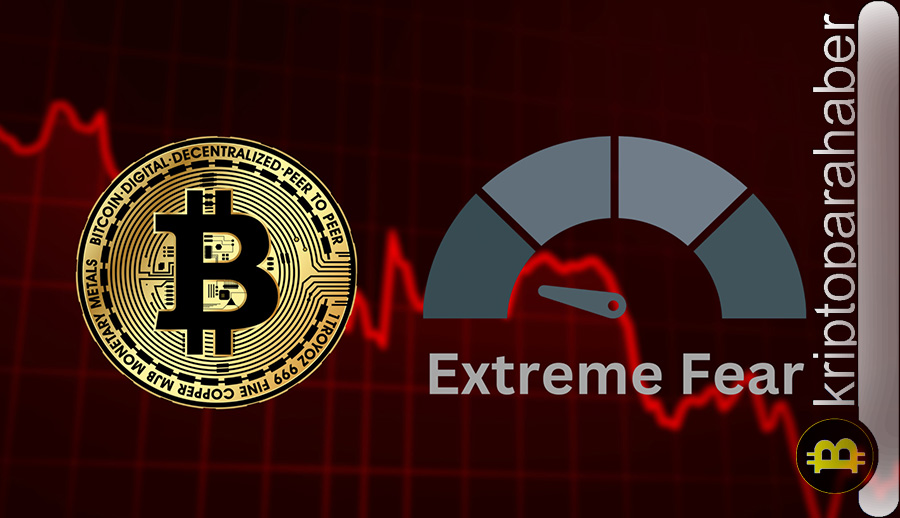
In the digital asset sector, there is a strong outflow of funds into fiat. Bitcoin (BTC) plummeted to $63,000, Ethereum (ETH) fell to $1,680, and Solana (SOL) dropped to $66. The market capitalization shrank to $2.25 trillion, and the fear index collapsed to critical 8 points (Extreme Fear).
🇰🇿 Kazakhstan and 📅 Key Triggers of the Week
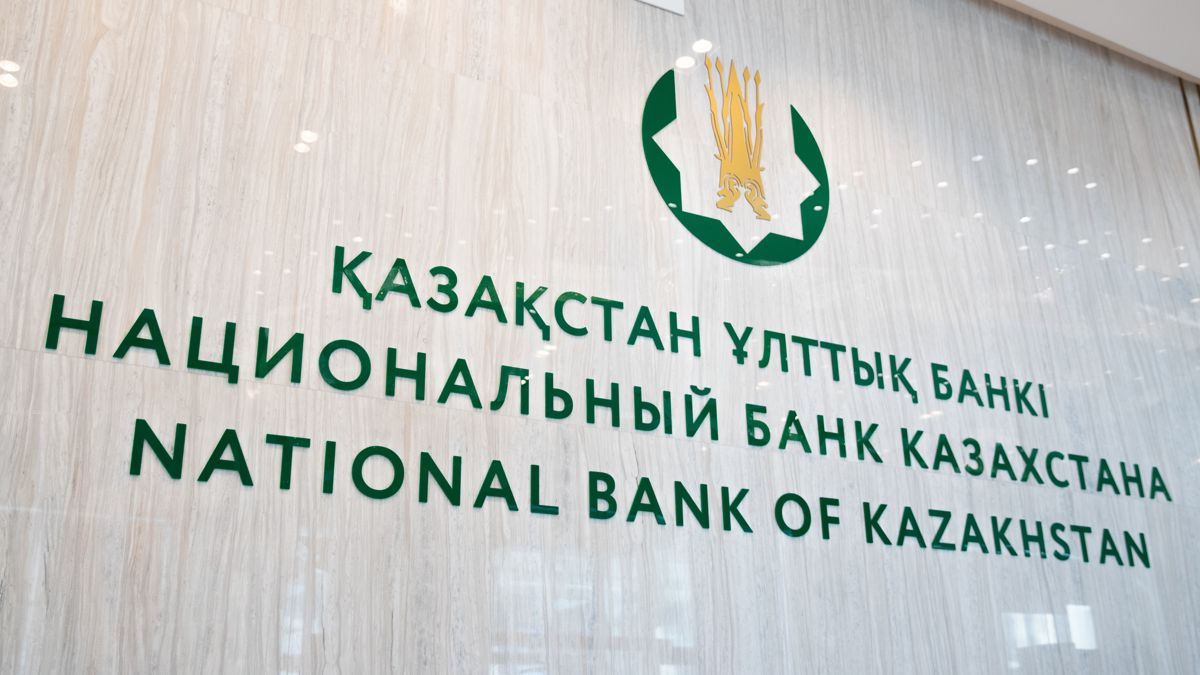
The internal focus of local investors is on the National Bank of Kazakhstan's decision on the base rate. Adjustments to monetary conditions will directly impact the tenge exchange rate, bond market yields, the banking sector, and local stocks on the KASE. The rising oil prices are currently supporting the tenge.
On the global stage, in the coming days we will be watching: the crucial US Consumer Price Index (CPI) · inflation expectations of Americans · the publication of Japan's GDP for Q1 2026 and the monetary decision of the Bank of Japan · as well as the outcomes of Chinese leader Xi Jinping's visit to North Korea.
⚡ In Focus Today: US labor market (NFP) dashed hopes for a quick Fed turnaround · Job growth (172k vs forecast of 85k) · Brent moves into the $94–97 range amid threats in the Strait of Hormuz · Gold dropped to $4,300–4,350 · USD/JPY above 160.50 · Panic in crypto with the fear index at 8 points (Extreme Fear) · Anticipation of the base rate from the NB RK.