
SpaceX prepares for the largest IPO in history amid global market turbulence
Financial markets have received the main news of the year: SpaceX has officially announced its IPO under the ticker SPCX on Nasdaq on June 12, 2026. The company expects to raise $75–80 billion with a valuation of about $1.75 trillion — almost double the record
Financial markets have received the main news of the year: SpaceX has officially announced its IPO under the ticker SPCX on Nasdaq on June 12, 2026. The company expects to raise $75–80 billion with a valuation of about $1.75 trillion — almost double the record set by Saudi Aramco in 2019. At the same time, global markets continue to operate in a state of heightened volatility amid the escalation of the U.S. and Iran conflict.
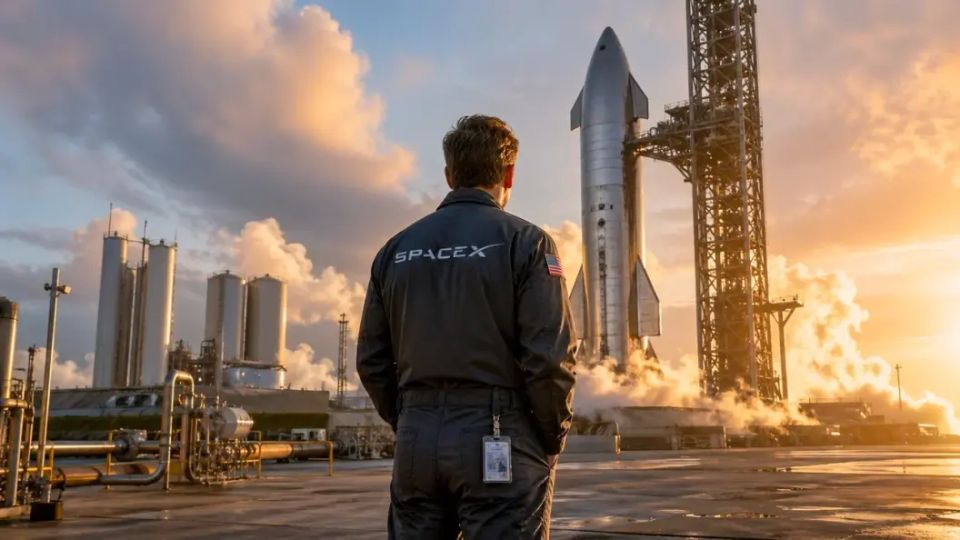
🚀 SpaceX prepares for the largest IPO in world history
Key dates: May 20 — filing S-1 with SEC · June 8 — start of roadshow · June 11 — final pricing · June 12 — start of trading. Financial indicators: 2025 revenue $18.7 billion (+33% y/y) · net loss $4.9 billion · Starlink — $11 billion in revenue and over 10 million subscribers · Falcon and Starship — $4.1 billion · investments in xAI — over $20 billion for 2025.
Elon Musk will retain about 85% voting control through a super-voting share structure. The ecosystem includes Starlink, Falcon/Starship, xAI, and X. After the integration of xAI and X, SpaceX's capitalization was already estimated at $1.25 trillion in February 2026.
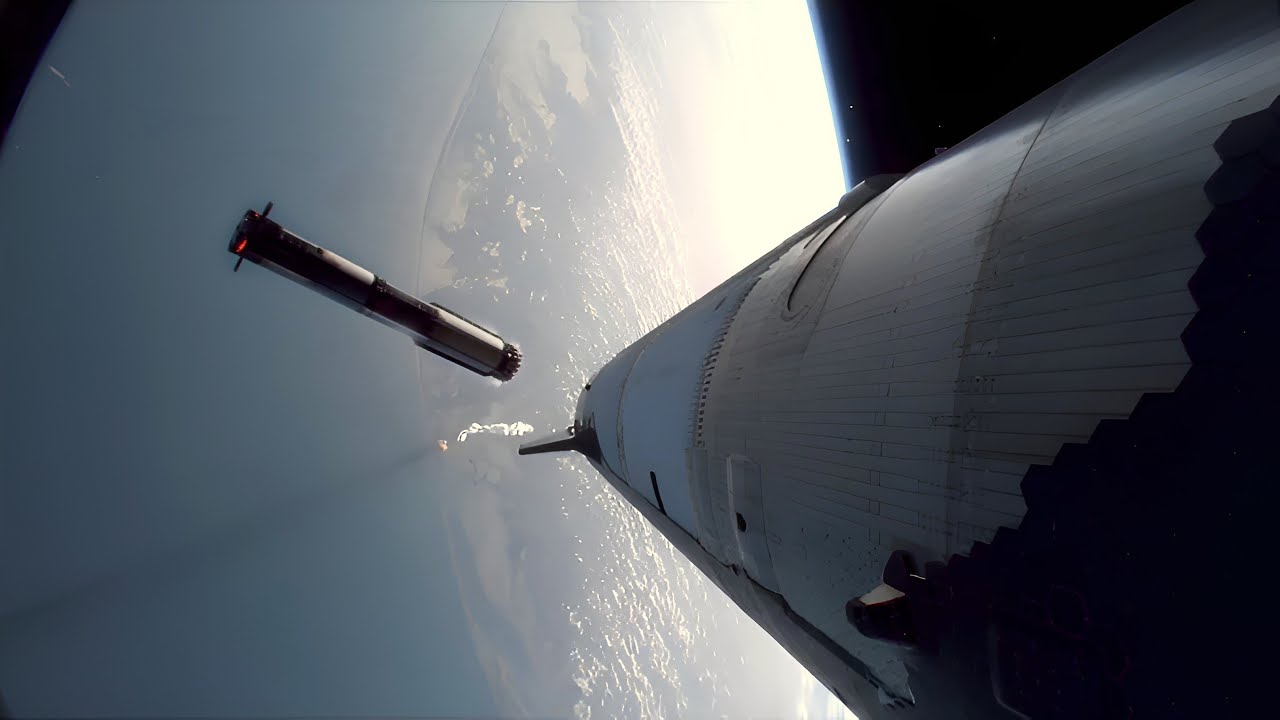
⚠️ Main risks — what concerns analysts
Despite the excitement surrounding the offering, analysts highlight a number of significant risks: high losses in the AI sector, enormous capital expenditures on Starship, dependence of profits on Starlink, legal disputes following the integration of X and xAI. Expected additional legal costs are already estimated at about $530 million.
Musk commented: “We are creating an ecosystem that combines space, communication, and artificial intelligence. SPCX will be a bridge between humanity's future and today's investors.”
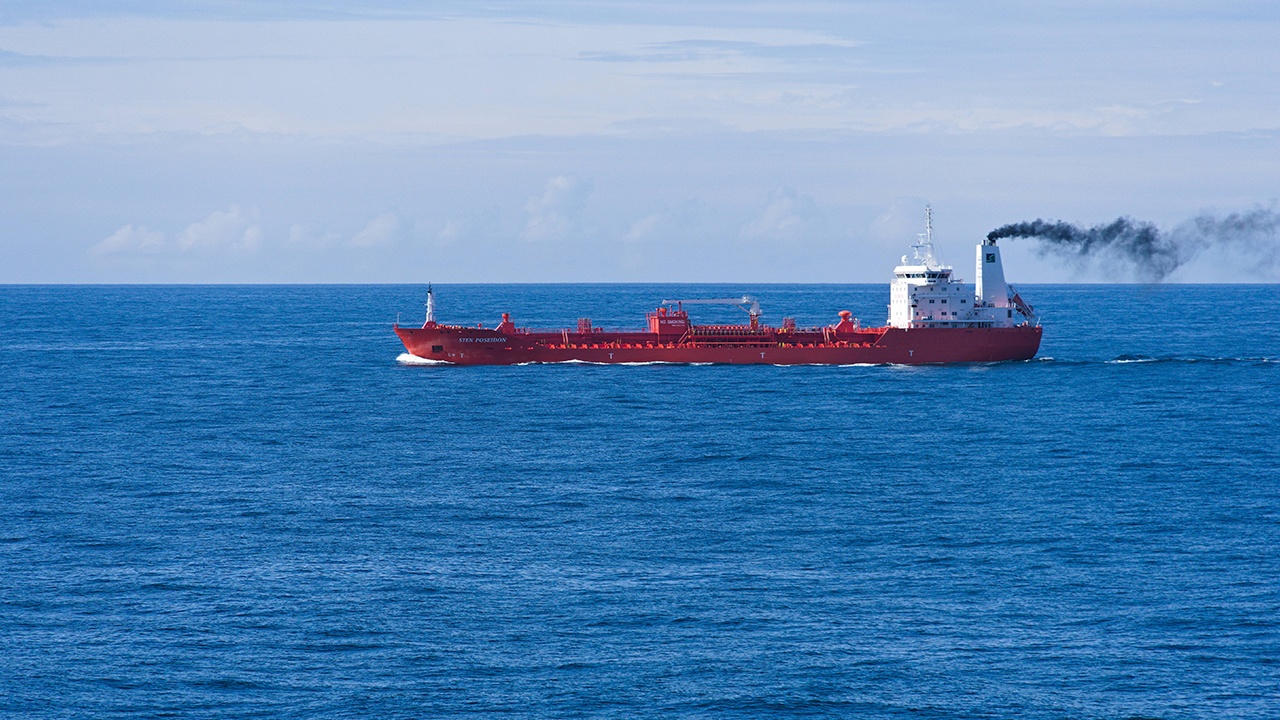
🛢 Oil and geopolitics: The Strait of Hormuz keeps the market on edge
Brent has stabilized around $100 per barrel, WTI is holding around $94. Main drivers: U.S. strikes on Iranian targets, Tehran's threats to close the Strait of Hormuz, and a global oil supply deficit. According to EIA, the global deficit is estimated at 8.6 million barrels per day below demand.
Gold holds a range of $4500–4600 per ounce amid high demand for safe-haven assets. The dollar index DXY is around 99 points, maintaining its status as the main safe-haven instrument in the global market.

🇺🇸 USA: The AI sector continues to dominate
The American stock market is hitting historical highs: S&P 500 reached 7539 points. The artificial intelligence sector remains the main driver of growth: NVIDIA received licenses to supply H200 to China · AMD is investing $10 billion in new AI capabilities · Huawei is strengthening competition in the chip segment.
The technology sector continues to ignore geopolitical risks and keeps markets at record levels.
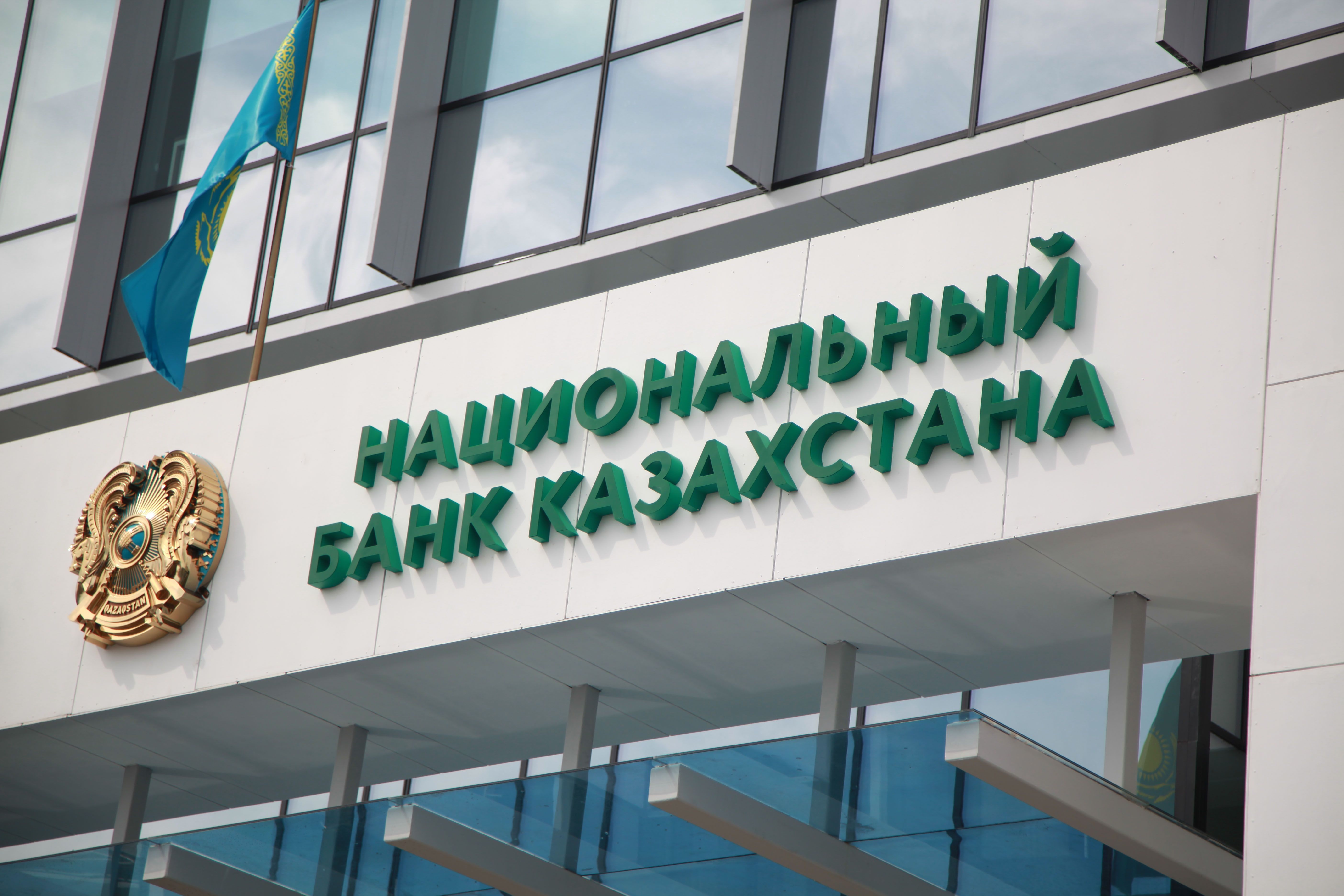
🇰🇿 Kazakhstan: The market remains resilient
The National Bank of Kazakhstan keeps the base rate at 18%. The exchange rate USD/KZT is around 475–476 tenge, the index KASE is around 7670 points, maintaining positive dynamics since the beginning of the year.
The Kazakh market continues to demonstrate relative stability amid global volatility, supported by high commodity prices and the resilience of the banking sector.
⚡ In focus today: SpaceX IPO (SPCX) on Nasdaq June 12 — the largest in history · Brent at $100 amid Iran's threats to close the Strait of Hormuz · S&P 500 at historical maximum of 7539 · NVIDIA with licenses for H200 for China · KASE at 7670 points · USD/KZT 475–476 tenge.